
Eve’s Story
NYC Model, Completed Treatment
Eve Bender’s story begins with a moment she can still picture clearly. After postponing a routine screening while caring for her father, she finally went in for her mammogram and sonogram in 2015—something she had always done together. A few days later, on a Friday night as she was pulling into the train station to head upstate to see her fiancé, her phone rang.
“He said, ‘You have breast cancer.’ And I remember thinking… what do you do with those words?”
There was no history of breast cancer in her family. No reason to expect it. And yet, in that moment, everything changed. But what stands out most about Eve’s story isn’t just the diagnosis—it’s what she did next.
“You can’t get mired in it. You just have to react and go to it.”
By Monday morning, she was in doctors’ offices. Within days, she had appointments lined up with top surgeons across New York City. Within weeks, she had built a full team—doctors, advocates, and friends—who would help guide her through every decision ahead.
“I called every woman I knew who had breast cancer. I built my team. You have to let people in—that’s what gets you through.”
Eve was diagnosed with a small but aggressive HER2-positive tumor in her left breast. The decisions that followed were not easy. She met with multiple surgeons, weighed treatment options, and leaned on both medical expertise and personal instinct. One of the most impactful moments came early, when her surgeon gently reframed how she was thinking about her diagnosis.
“I said, ‘I’m sick with cancer,’ and he stopped me. He said, ‘No—you were diagnosed with a small tumor that tested positive for cancer. You are not sick with cancer. That is very different.’ And that really leveled it for me.”
That shift allowed Eve to move forward with clarity. She chose to undergo a lumpectomy paired with intraoperative radiation therapy (IORT), a treatment that delivers radiation at the time of surgery instead of requiring weeks of follow-up. She also made the personal decision not to pursue chemotherapy—another choice that required careful consideration and confidence in her care team.
“These are hard decisions. They can change the course of your recovery. You have to advocate for yourself.”
Through it all, Eve stayed focused, grounded, and proactive. And nearly 11 years later, she is cancer-free.
When she reflects back, one of the most important lessons she shares is about early detection—and the small decision that ultimately made all the difference.
“They didn’t find my cancer on a mammogram. They found it on a sonogram. I’ve always done both.”
That practice started decades earlier, after a chance conversation with another woman.
“She told me, ‘If you have dense breasts, always get a sonogram with your mammogram.’ I never forgot that. And it saved my life.”
Eve also speaks openly about the importance of self-advocacy—something she believes every woman needs to embrace.
“You have to be your own advocate. If something doesn’t feel right, keep going. Ask questions. Push. Do what you feel you need to do.”
Her perspective today is grounded in both gratitude and honesty. She knows not every story ends the way hers has, and she carries that awareness with her.
“Not everyone survives. I don’t take that lightly. This is my story—this is my victory.”
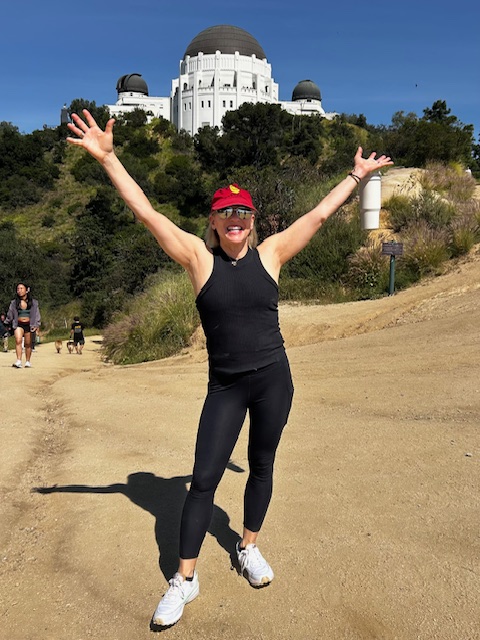
Now, 11 years cancer-free, Eve describes herself simply: a survivor, and someone who is truly thriving.