Pamela Soto’s Story
20th Anniversary Boston Model, Completed Treatment
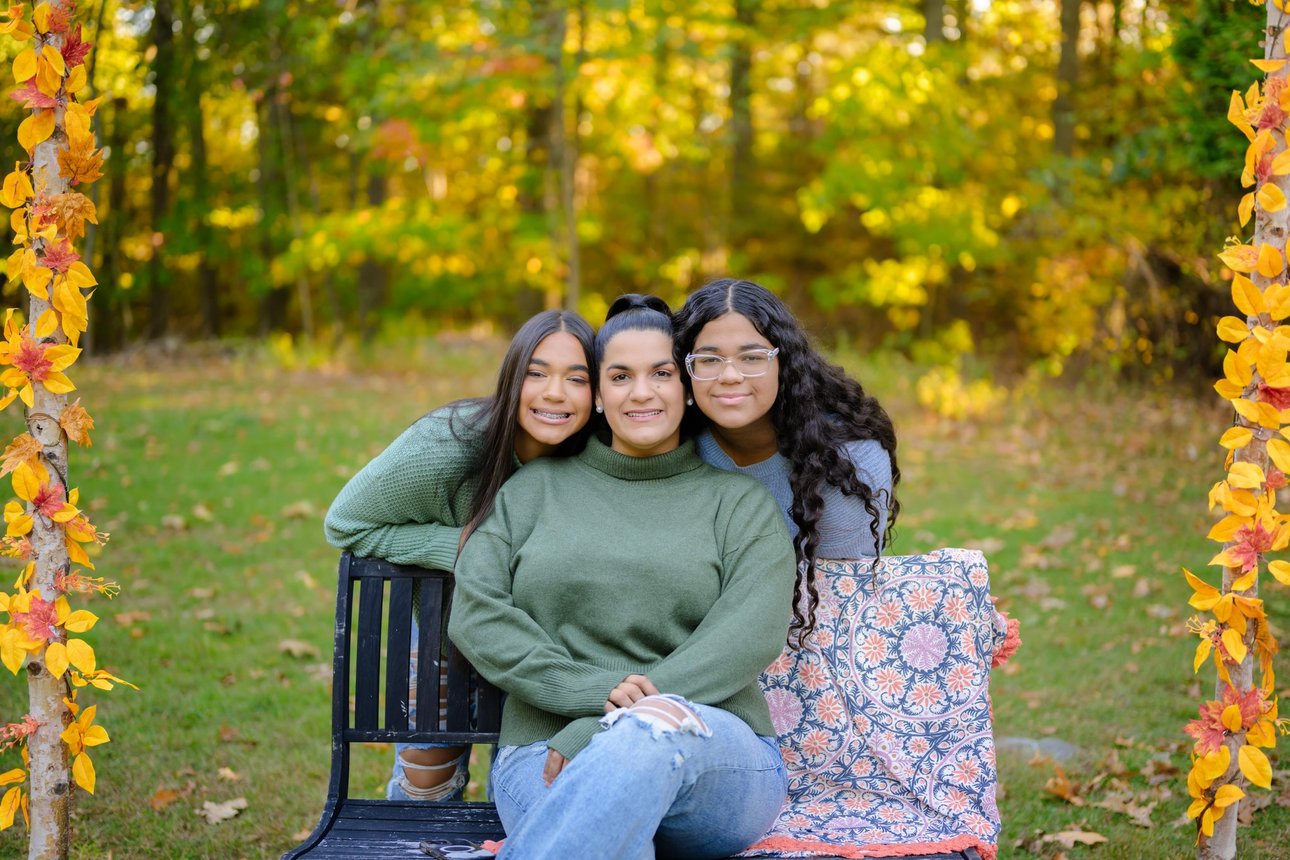
Who are you walking for?
Pamela Soto is walking for both her mother and herself.
Pamela’s mother was diagnosed with breast cancer when Pamela was only 12 years old. At the time, Pamela says she was innocent. In her mind, her mother was going to get better.
But that is not what happened.
Her mother had triple negative breast cancer at a time when there was not as much research or treatment available. She had a lumpectomy and radiation, and later the cancer spread to her other breast. By the time she chose a double mastectomy, the cancer had already spread.
Pamela lost her mother when she was 14 years old.
“It was obviously very painful,” Pamela says, “but you really don’t get to appreciate your mom as much until you start getting older and you see all these milestones that they’re missing.”
That loss shaped Pamela’s life. And later, it shaped the choices she would make for herself and her daughters.
How did your family history impact you?
A few years after Pamela lost her mother, one of her mother’s sisters was also diagnosed with breast cancer.
Her aunt had found a lump and had it for a while, but did not realize what it might mean. By the time the cancer was found, it was late, and she passed away not long after.
Because of that family history, Pamela’s doctor asked her when she turned 18 if she wanted to be tested for the BRCA gene mutation.
At first, Pamela said yes.
But when she arrived for the test, she could not go through with it.
“I came out of there in tears, crying,” she says. “I didn’t do it. I left.”
Pamela was afraid that if she knew she carried the gene mutation, she would live with constant anxiety.
“How am I going to live with that?” she remembers thinking.
What changed your mind about genetic testing?
Motherhood changed everything.
After Pamela had her first daughter, she began to think differently about genetic testing. She realized that if she knew she carried the gene mutation, she could be proactive. She could begin the screenings she needed. She could give herself a better chance of catching cancer early.
So she went back and got tested.
The result came back positive.
Pamela cried.
But that result also gave her access to the kind of surveillance that would later save her life.
She began regular screenings at age 32. On her second MRI, there was a scare, but everything came back fine. Then, when she was 35, Pamela went for her regular screening again. She had been feeling pain in her left breast, and while part of her was scared, she also tried not to let her mind go there.
The MRI found something.
Pamela was diagnosed with stage one triple negative breast cancer.
What happened after your diagnosis?
Pamela received the news on a Friday over the phone from a nurse.
She immediately texted her oncologist, who had been following her through regular checkups. He called her that same day around 5 p.m. and reassured her that, from what he could see on the images, the cancer had been found early. It was not in her lymph nodes. It had not spread anywhere else.
That Monday, Pamela was already in the breast surgeon’s office.
Her surgeon explained a new clinical trial using dostarlimab and niraparib. Pamela decided to join the trial and began immunotherapy and targeted treatment.
She was placed in the group that received both medications simultaneously.
From May through September, Pamela had frequent MRIs and biopsies as part of the trial. At each milestone, doctors could see that her tumor was shrinking and responding to treatment.
In October 2024, Pamela had a double mastectomy. Her margins came back clear.
Because the treatment had been part of a trial, her doctors recommended chemotherapy for extra security. Pamela chose to do it.
She completed four rounds of chemotherapy and finished treatment in January 2025. In April 2025, she had breast reconstruction.
Then, after discussing her family history and the risk of ovarian cancer with her oncologist, Pamela decided not to wait on a recommended hysterectomy.
“I wanted to just get it over with,” she says. “I wanted everything out.”
She had a hysterectomy in June 2025. While it was a difficult choice, Pamela focused on what she had now rather than what she might lose.
“I already have the two that I was blessed with,” Pamela says, “and I want to be here for them.”
Within one year, Pamela had completed treatment, reconstruction, and multiple surgeries.
“It was unbelievable,” she says. “Very scary.”
How did early detection change your story?
Pamela knows that the choices she made gave her a different outcome than the women in her family who came before her.
Her mother’s cancer was not found early. Her aunt’s cancer was not found early. Other relatives faced late diagnoses as well.
Pamela’s story was different because she got tested, began early screenings, and caught her cancer at stage one.
“The choice that I made to get tested for the gene and having all the screenings early allowed them to catch it early,” Pamela says, “and give me a chance to still be here enjoying my daughters.”
That is why Pamela now believes so strongly in being proactive.
“The only thing that fear of being diagnosed and fear of getting checked will get you is to get diagnosed late,” she says.
For Pamela, fear is understandable. She felt it too. But she also knows that early screening gave her a chance to stay here, live her life, and keep mothering her daughters.
How did you talk to your daughters about your diagnosis?
Pamela kept her diagnosis quiet from her daughters until she knew the extent of everything and had spoken with a counselor about how to tell them.
Then, she shared the news.
At the time, her daughters were 12 and 14, close to the ages Pamela had been when her own mother was diagnosed and passed away.
Pamela was grateful that during immunotherapy and oral treatment, she was still able to work and stay active in her daughters’ lives. Things changed after her double mastectomy, but even then, within a few weeks, she was driving again and showing up as their mom.
Pamela has not yet had the full conversation with her daughters about genetic testing, but she knows that conversation is coming. For now, she encourages them to be aware of their bodies and to tell her if they ever feel anything unusual.
What does this mean for your family?
By choosing genetic testing, regular screening, treatment, and surgery, Pamela helped rewrite her family’s story.
She cannot change what happened to her mother or her aunts. She cannot give herself back the milestones her mother missed. But she can use what she knows now to protect her own life and guide her daughters toward awareness, screening, and early detection.
And that is what she wants others to understand: fear does not protect you. Information can.
What are we celebrating this year?
This year, Pamela walks for her mother.
She walks for herself.
She walks for her daughters.
On the Runway stage, we look forward to celebrating Pamela and the powerful way she is rewriting her family story.