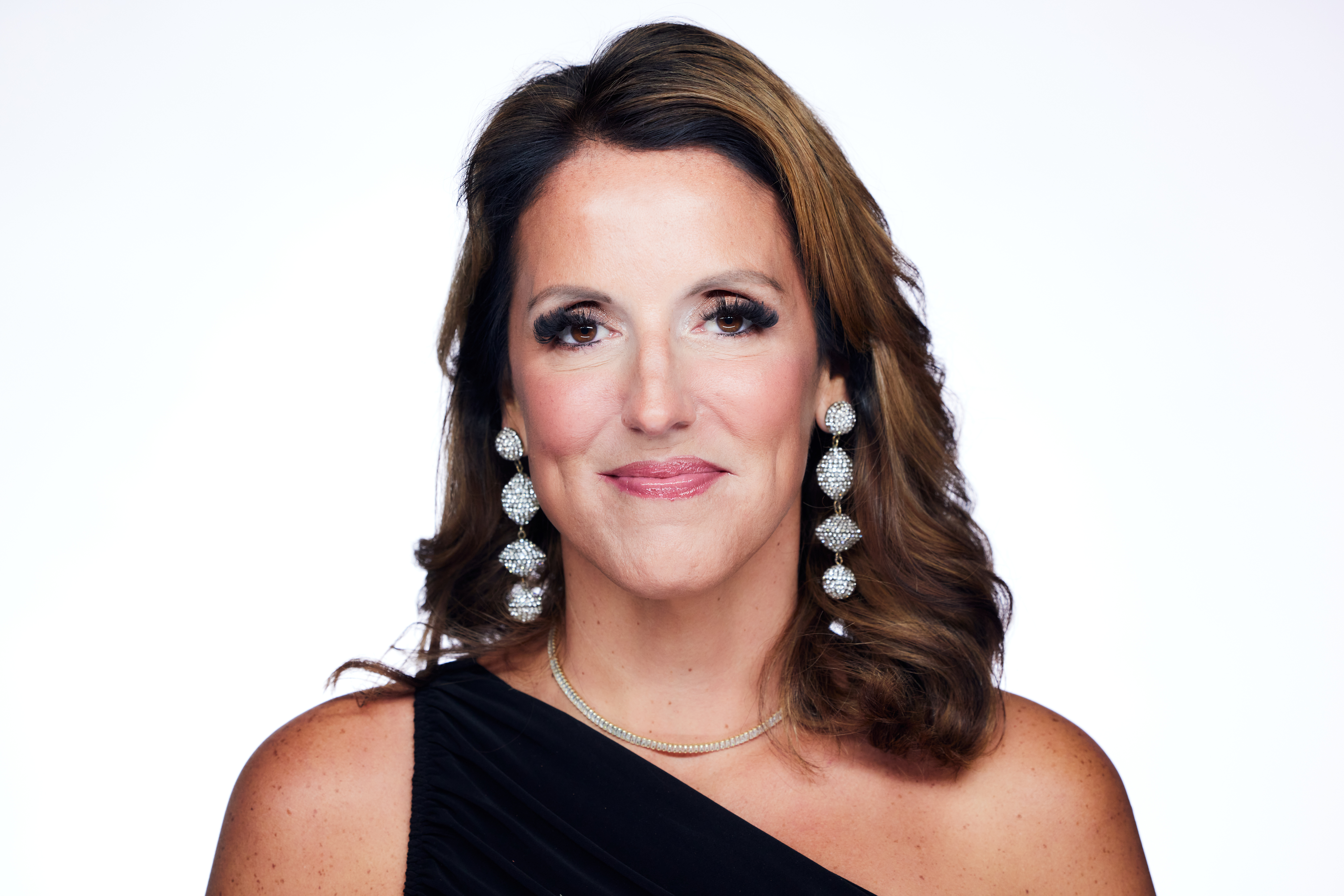
Brienne Black’s Story
20th Anniversary Boston Model, Completed Treatment
How has breast cancer affected your life?
“Deep down I feared the worst,” Brienne Black says, “and hearing the words, ‘It is cancer and it’s aggressive,’ will never fade from my brain.”
Her first thoughts were her children.
They were only 8 and 10 years old, and Brienne feared not seeing them grow up. She feared them not having a mother.
Her mom and husband were there when she got the call. Brienne felt scared, but she did not feel alone.
“I remember looking at their faces and feeling sad for them,” she says, “knowing that they also were dealt this awful news.”
What was treatment like during COVID?
Brienne was diagnosed during COVID, which meant no visitors were allowed.
But that did not stop her family from supporting her in every other way.
Her mom would drop her off at Dana-Farber, then go cry and pray in a church parking lot nearby. When she picked Brienne up, she came back with the best attitude because she did not want Brienne to know her fear or sadness.
Sometimes Brienne’s sister would join and hold posters out of the sunroof while blasting fun, encouraging music.
It made Brienne smile after hours of treatment.
What helped you through the fear?
Dancing brought Brienne joy when she was so scared.
Brienne and her sister both teach a class called Cardio Dance. Each week during treatment, they made dance videos and posted them.
“It was one thing that could take my mind off the cancer,” Brienne says.
One day, after treatment, her sister jumped out of the car and had their mom put on “Warrior,” a song they already had a dance to. Brienne and her sister danced outside Dana-Farber in their masks.
“Hopefully we made some people smile,” she says.
That is why Runway has deeper meaning for Brienne.
“The idea of dancing, even just for a moment, breaks you from the pain and fear,” she says. “That’s why I love that people dance down the runway, not walk.”
Who supported you?
Brienne’s husband was her rock throughout.
They met sophomore year in college, and he is her best friend. She fell in love with him because of his sense of humor, and he used that same sense of humor to get her and their kids through the toughest moments.
Her children are her true blessings in life.
They stayed remote the entire year to protect her and not bring any germs home. Brienne still thinks about how young they were and what they went through.
“They never once complained,” she says.
Her aunts, uncles, and cousins supported her with phone calls, texts, and deliveries. Her Aunt Dori created a weekly Friday night Zoom movie night for Brienne’s kids to keep things somewhat normal and give Brienne time to rest. She would drop off candy, popcorn, and themed goodies the day before, and the kids would look forward to watching the movie with her over Zoom.
Her coworkers created a Sunshine system. Every day, one of them dropped something at her door to give her some sunshine to look forward to.
Brienne will always remember the friends who dropped off meals or were simply there to support in any way they could.
What role did your nurses play?
“My nurses were my family during this time,” Brienne says.
Because of COVID restrictions, Brienne was scared going in for her first day of chemo. She had to walk in without visitors.
But she was greeted by what she calls “the best nurses in the world.”
“They sat by my side when needed,” she says. “They held my hand, they talked and they listened, and they never let me feel alone or scared.”
On her last day of treatment, Brienne cried knowing she would not be seeing them every week anymore.
She still shares what her first nurse told her on that first day.
“Right now you have this road ahead of you and it’s scary,” he told her. “But after each week that goes by, you will look in your rearview mirror and see more and more in there than what’s ahead.”
Each week, Brienne felt she had something more in her rearview mirror and a little less on the road ahead.
What do you want people to understand after treatment ends?
“Support is needed in the months after treatment is finished,” Brienne says.
During treatment, there is so much support. When treatment ends, people are happy. You are happy too. But Brienne says you are also left with trauma and the work of navigating life as a new version of yourself.
That part can be hard to explain.
The treatment may be over, but the need for support is not.
This October, Brienne will dance down the Runway, carrying the same truth that got her through treatment: even for a moment, dancing can break you from the pain and fear.